Ittoqqortoormiit
Far beyond the familiar
Last update: 28. September 2026
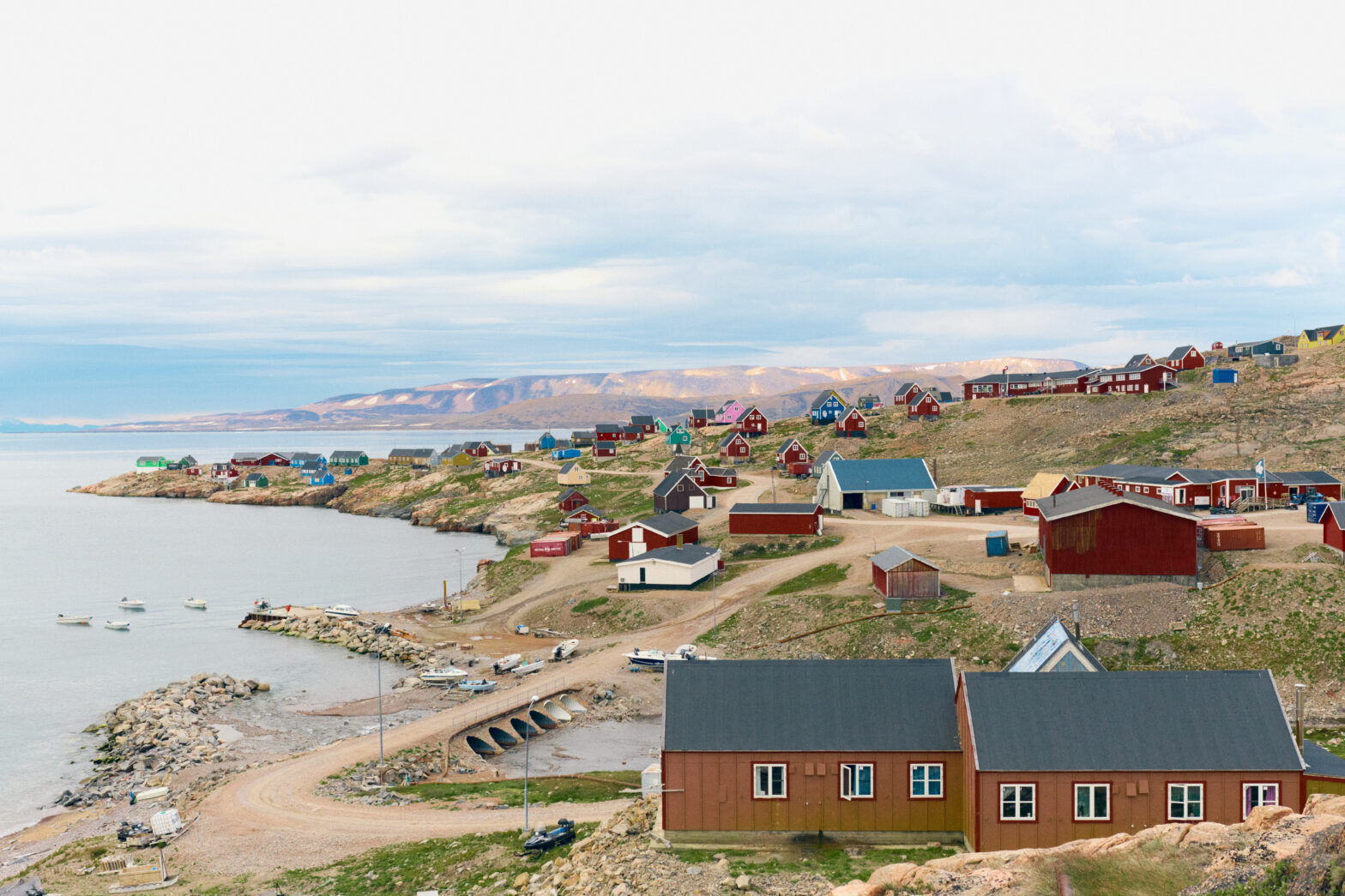
For many visitors, reaching lttoqqortoormiit is an adventure in itself, a journey to one of the most remote inhabited places in Greenland.
Download PDF

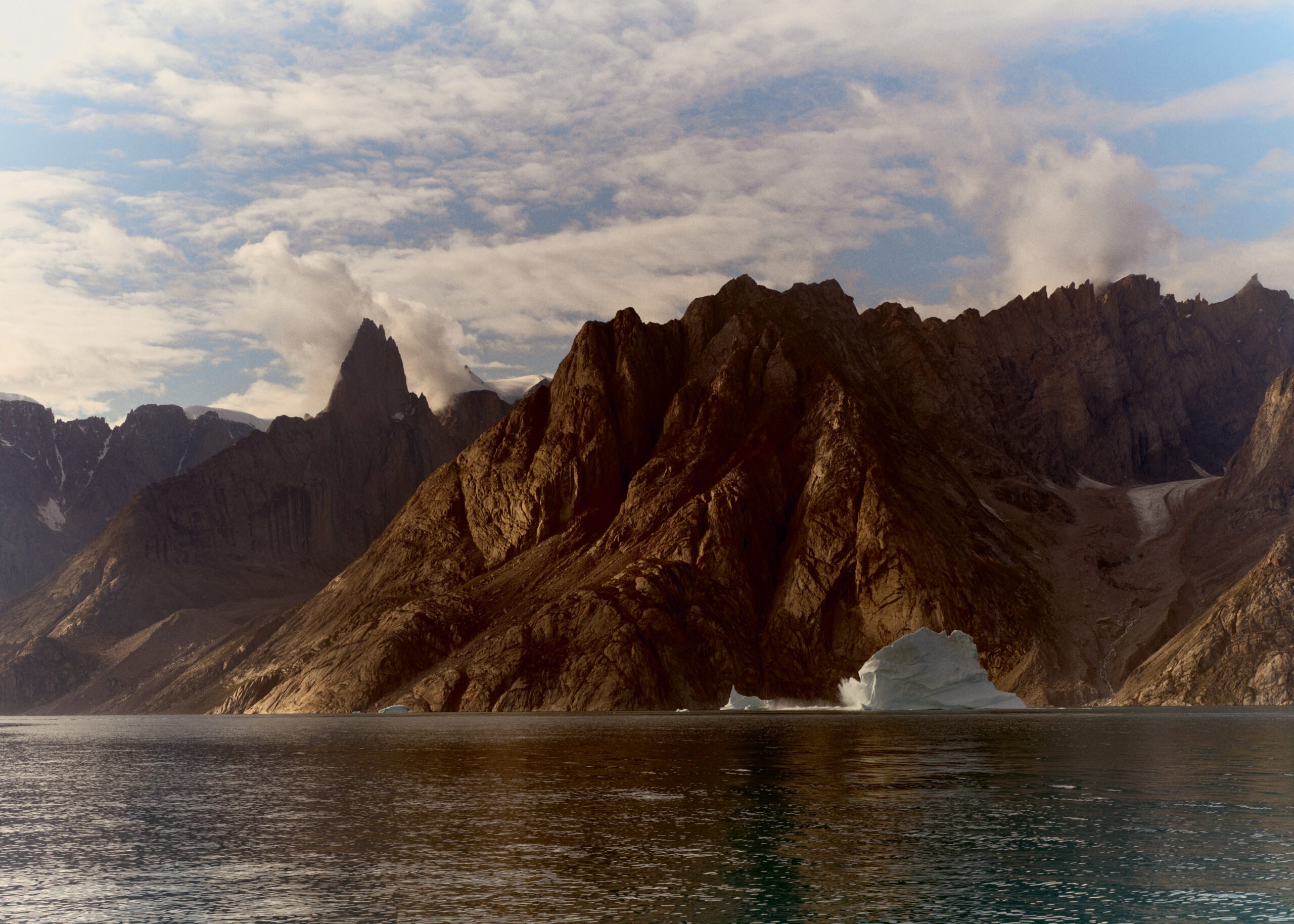
Visiting lttoqqortoormiit is a journey into one of the most remote and fascinating communities in the Arctic. Surrounded by vast wilderness, sea ice, and towering icebergs near the entrance to Kangertittivaq, also known as Scoresby Sund, the world’s largest fjord system, the small town offers expedition travellers anauthentic encounter with life in Northeast Greenland.
Here, nature shapes everyday life. Hunting and fishing remain an important part of local culture, and during winter and spring the frozen sea becomes a natural highway used by dog sleds and snowmobiles. Visitors arriving by expedition ship gain a rare insight into traditions that have connected people to the Arctic environment for generations.
The town lies close to the immense Northeast Greenland National Park, the largest national park in the world. This enormous protected wilderness is home to polar bears, musk oxen, Arctic foxes, seabirds, walrus, and reindeer, with no permanent population apart from the legendary Sirius Dog Sled Patrol.
For cruise and expedition guests, lttoqqortoormiit offers unfor gettable Arctic experiences both on land and at sea. Guided walks through the settlement provide opportunities to learn about East Greenlandic culture, local traditions, and daily life in one of the world’s most isolated communities.
During summer, kayaking and boat excursions through iceberg-filled waters reveal dramatic landscapes and abandoned historic settlements such as Cape Tobin and Cape Hope. Wild life sightings are common, and the silence and scale of the surrounding Arctic environment leave a lasting impression on many visitors.
Cape Tobin, known locally as Uunartoq, is also home to Greenland’s warmest hot spring, where water temperatures reach approximately 62 C, a surprising geothermal contrast to the surrounding ice and tundra.
What makes lttoqqortoormiit truly special is not only its remote location, but its atmosphere: a place where Arctic traditions, community life, and untouched nature continue side by side. For many expedition travelers, a visit here becomes one of the most memorable highlights of their journey through Greenland.
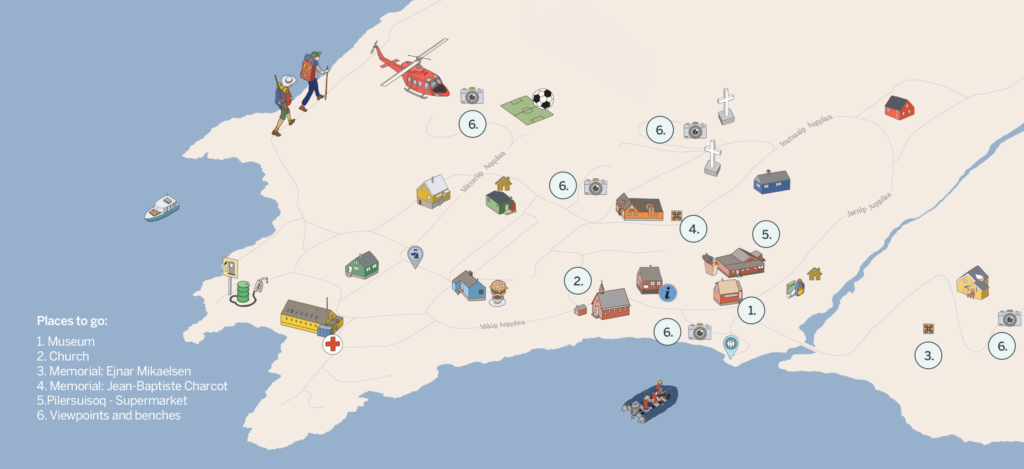
Guidelines
- Weather in lttoqqortoormiit can change quickly, even during summer. Layered clothing, a windproof jacket, warm fleece or wool layers, gloves, sunglasses, and sturdy waterproof shoes are strongly recommended.
- Most streets are gravel roads and can be uneven. Good walking shoes are essential, especially for hikes. Space on main roads is limited, be aware of traffic and make space for passing vehicles.
- East Greenland’s environment is fragile and largely untouched. Please avoid leaving litter, and keep a respectful distance from wildlife such as whales, sled dogs, and birds.
- Wi-Fi and mobile service may be slower and less reliable than visitors are used to. East Greenland offers a rare opportunity to disconnect and experience Arctic life at a slower pace.
- People in East Greenland are generally welcoming, but it is required to ask permission before taking close-up photographs of local residents, especially children.
- Sled dogs are an important part of local culture and transportation. They may appear chained outside town areas during summer. Visitors should not approach, feed, or touch dogs without permission from the owner.
- Most shops accept major credit cards. There are no ATM machines in lttoqqortoormiit. Carrying a small amount of Danish kroner (DKK) can be useful for local purchases, handicrafts, or small kiosks. It is not possible to pay with cash in any other currency than Danish Kroner.
- Locally made tupilaks, carvings, beadwork, and sealskin products are authentic East Greenlandic crafts. Buying directly from local artists and workshops helps support the community and preserve cultural traditions. According to the cites regulations you can buy and exports products made of reindeer, seal, muskox, wood and soapstone.
- Hunting and fishing remain an important part of daily life in East Greenland. Visitors may see drying fish, hunting equipment, or boats used for subsistence activities, all essential elements of local culture and survival.
- Be mindful when buying at the local supermarket especially food items but also other essential products for the region, the are only two supply ships per year from Iceland.
Guidelines established in 2019